Where The Action Is (with Dick Clark), Life In The Sixties Era
Turn on the TV in the mid-1960s and “Where The Action Is” hit like a cultural jolt, a daily reminder that rock and roll wasn’t waiting for nightclubs or radio anymore. It was blasting through daytime television, aimed straight at America’s youth. The show stripped away the polish and replaced it with speed, attitude, and immediacy, turning pop music into a visual event that felt urgent and alive.
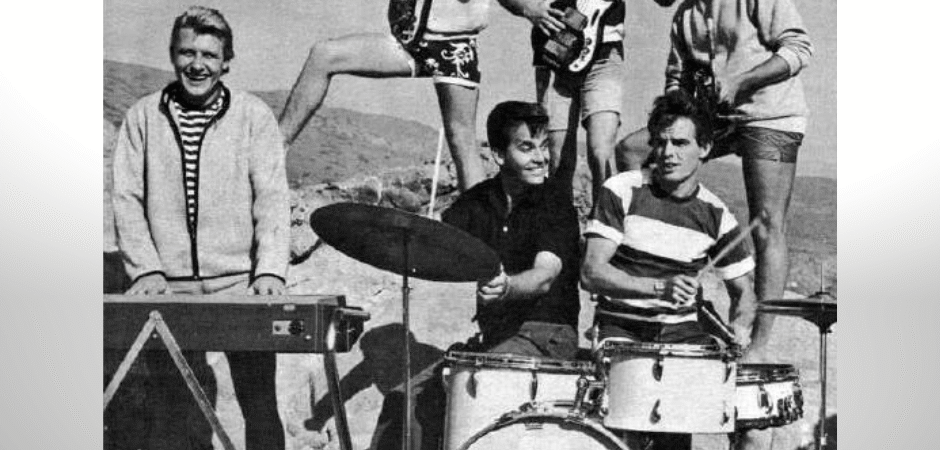
Hosted by Dick Clark, mostly as a voice rather than a face, “Where The Action Is” flipped the familiar TV formula. Clark introduced performers off-camera, letting the bands command the screen. That choice made the music the star and gave the show a raw edge that separated it from more formal programs of the era. At the center of that energy stood Paul Revere and the Raiders, effectively serving as the house band and becoming inseparable from the show’s identity.
By 1966, the Raiders were everywhere, and “Where The Action Is” amplified their rise. Albums like “Just Like Us!”, “Midnight Ride”, and “The Spirit of 1967” all went Gold and landed high on the Billboard charts, while their colonial-era stage outfits and punchy sound became a daily visual for millions of viewers. The show didn’t just reflect their success, it accelerated it, helping make them Columbia Records’ top-selling rock group by mid-1967.
When the weekday run ended on March 31, 1967, the impact lingered. ABC handed the time slot back to local affiliates, but the format lived on through “Happening ’68” and “It’s Happening”, hosted by Paul Revere and lead singer Mark Lindsay and produced by Dick Clark’s company. “Where The Action Is” proved television could break bands, shape style, and capture a generation in real time, leaving a blueprint that music TV would follow for decades.
#WhereTheActionIs #60sMusic #ClassicRockHistory #MusicTelevision